FREE sourcing support · up to 3%Eligibility applies to qualified business buyers and is confirmed after we review your product, quantity, destination, and sourcing requirements.

Application comes before attachment choice

Skid steer rotary tiller procurement for field and site work

Work area, access and carrier hydraulics shape a useful request. Describe the intended soil preparation and the machine that will power it; the attachment name alone cannot confirm a workable combination.

Discuss the application
Hydraulic tiller attachment parked beside a skid steer

Scroll through the operating contexts

These are planning contexts, not completed customer installations. Specify soil moisture, stones, roots, residue and access limitations so a manufacturer can identify where a proposed unit is suitable and where another method may be needed.

Crop production

Market-garden turnover

For bed preparation between crops, record row layout, headlands, soil condition and target depth. An existing skid steer may simplify fleet planning, while a tractor PTO arrangement may fit established field operations. Compare access, required carrier setup and operating instructions rather than assuming either drive type is universally preferable.

Keep working width in ft or m consistent across offers. A width that fits one bed may not suit another field's turning space.

Contract work

Landscape soil preparation

Contractors working at several sites should describe gate clearance, haulage and the range of soils. Confirm mounting plate dimensions, hydraulic flow in gpm or L/min, pressure in psi or bar, and whether a case drain or electrical connection is required. Record the carrier's available continuous output, not just a peak specification.

Ask the supplier to identify return-line and hose requirements for the quoted model before accepting a substitute.

Perennial crops

Orchard and nursery access

Alley width, tree-root zones and uneven ground constrain attachment selection. Include clearances, crop sensitivity and where soil disturbance should be avoided. A smaller working width may improve access but increase passes; a larger attachment may require different power, transport and maneuvering arrangements.

Provide a site description and ask for a documented operating envelope. This page is not an agronomic prescription for tillage depth or frequency.
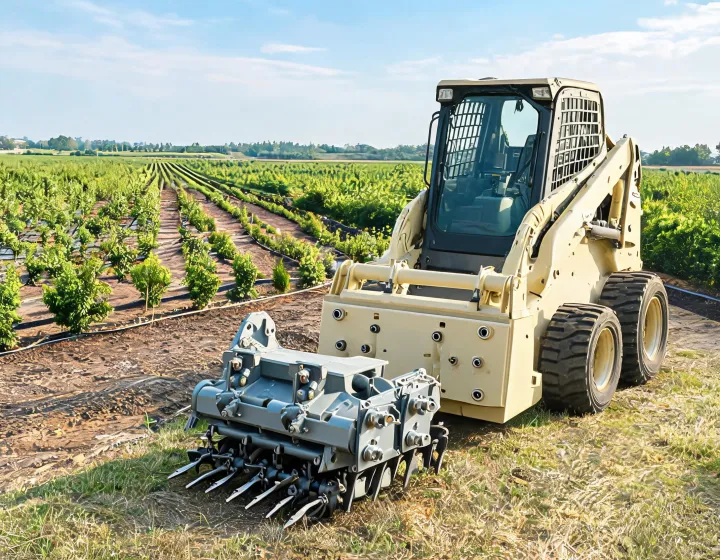
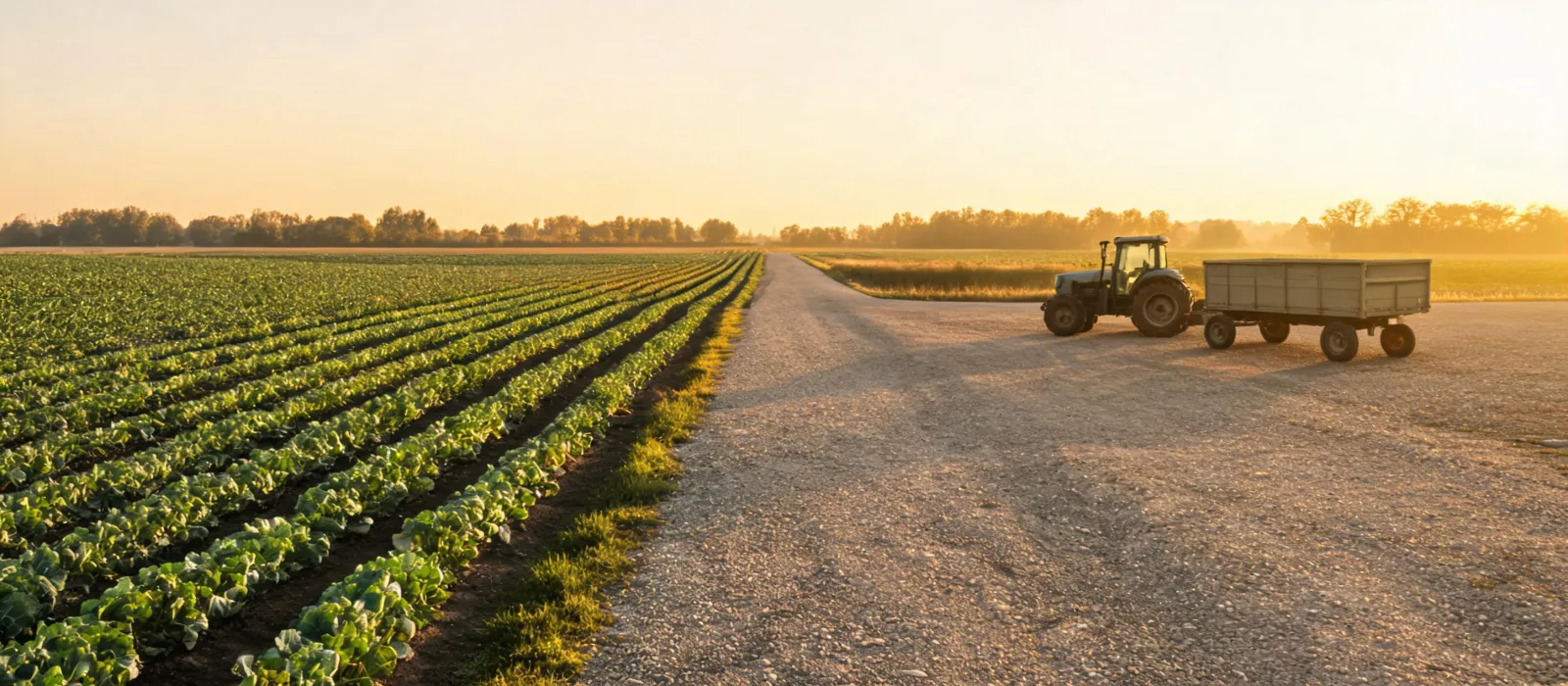
Swipe or use the horizontal scrollbar to review each context.

Procurement scenarios: make the difference explicit

Each example describes a check and its intended decision outcome. No field performance, completed project or saving is claimed.

Equipment vocabulary follows the public product-family reference and this site's procurement brief. Manufacturer examples do not establish our supplier relationships. Exact model data, local requirements and soil suitability need separate confirmation.

Field access lane for agricultural machinery

Send the site constraints with the attachment request

Include quantity, US destination, required seasonal arrival and unloading plan. Ask for separate equipment, parts, freight and document costs, plus MOQ and sample terms. Explore inquiry options or use Grower Support to work through budget and configuration choices.

Request an application-based quote